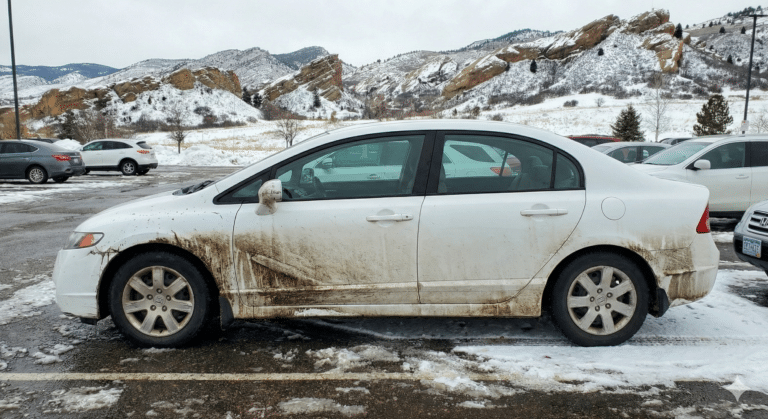
Your fleet vehicles are rolling billboards. Every time a truck, van, or service vehicle hits the road, it’s making an impression on potential customers, partners, and competitors alike. A grimy fleet sends a message, and it’s not the one you want.
We’ve seen firsthand how fleet appearance can make or break a company’s reputation. At Rocket Express Car Wash in Littleton, Colorado, we work with fleet managers who understand that vehicle presentation isn’t just about aesthetics, it’s about protecting assets, reinforcing brand identity, and demonstrating professionalism at every turn. Whether you’re managing five vehicles or fifty, establishing solid practices for fleet appearance management is one of the smartest investments you can make.
In this guide, we’ll walk through the essential best practices for managing fleet appearance, from setting standards to leveraging technology. Let’s get your vehicles looking sharp and keeping your business ahead of the competition.
Why Fleet Appearance Matters for Your Business
First impressions happen fast, sometimes in a matter of seconds. When your fleet vehicles are on the road, parked at a job site, or pulling into a customer’s driveway, they’re communicating something about your company. A clean, well-maintained vehicle suggests reliability, attention to detail, and professionalism. A dirty one? Not so much.
But fleet appearance goes beyond perception. There are real, tangible business benefits to keeping your vehicles looking their best:
- Brand reinforcement: Consistent, polished vehicles strengthen brand recognition and trust.
- Employee morale: Drivers take more pride in their work when they’re behind the wheel of a vehicle that looks good.
- Asset protection: Regular cleaning removes corrosive substances like magnesium chloride (that salt compound pre-applied to roads in winter), which can cause wiring corrosion and rust if left untreated.
- Resale value: Vehicles that are well-cared-for retain more value when it’s time to rotate them out of your fleet.
We’ve talked to fleet managers who initially saw washing and detailing as a luxury expense. After a few months of implementing regular care, they changed their tune. Their vehicles lasted longer, their drivers were happier, and their customers noticed the difference.
Establishing a Fleet Appearance Standard
Before you can maintain fleet appearance, you need to define what “good” looks like. This is where a fleet appearance standard comes in, a documented set of expectations that every vehicle in your fleet should meet.
Creating Brand Consistency Across Vehicles
Consistency is everything when it comes to branding. If you’ve got ten vehicles on the road and each one looks slightly different, faded decals on one, missing logos on another, varying levels of cleanliness, you’re diluting your brand impact.
Start by auditing your current fleet. Are all vehicles displaying current branding? Are the graphics in good condition? Is the color consistent across vehicles of the same type?
Document your brand standards in a fleet appearance guide. Include specifications for:
- Logo placement and sizing
- Approved vehicle colors and wraps
- Acceptable condition of graphics and decals
- Minimum cleanliness expectations
This guide becomes your reference point for inspections and training. When everyone knows what the standard is, it’s a lot easier to hold them to it.
Setting Cleanliness and Maintenance Benchmarks
A clean vehicle is a baseline expectation, but what does “clean” actually mean? We recommend getting specific. For example:
- Exterior should be free of visible dirt, mud, and road grime
- Windows must be streak-free and unobstructed
- Wheels and wheel wells should be free of buildup
- Interior should be vacuumed, with no trash or debris
- Dash and controls should be wiped down regularly
Set benchmarks for how often these standards must be met. Daily? Weekly? The answer depends on your industry, the conditions your vehicles operate in, and how visible they are to the public. A delivery truck making residential stops needs more frequent attention than a work van that stays mostly at job sites.
Implementing a Regular Washing and Detailing Schedule
Once you’ve established standards, you need a system to maintain them. Ad-hoc washing doesn’t cut it, you need a regular schedule.
We recommend building a washing schedule based on vehicle usage and exposure. Vehicles that operate in urban environments with heavy traffic and pollution may need weekly washes. Those exposed to winter road treatments absolutely need frequent cleaning to prevent corrosion from mag chloride and other de-icing agents.
Here’s a sample schedule framework:
| Vehicle Type | Recommended Wash Frequency |
|---|---|
| Customer-facing delivery vehicles | Weekly |
| Service vans/trucks | Bi-weekly |
| Administrative vehicles | Monthly |
| Vehicles exposed to salt/chemicals | After every exposure |
Partnering with a professional car wash that offers fleet services makes this process infinitely easier. At Rocket Express Car Wash, we offer fleet services designed to keep commercial vehicles looking their best. Our state-of-the-art conveyor system uses Ryko’s FoamBrite Wash System, a patented, closed-cell polymer cleaning material that’s virtually waterproof and prevents dirt from accumulating on brushes. This means your fleet gets a higher quality wash without the risk of scratches from bristles or retained dirt particles.
We also reclaim and recycle 100% of our wash water, using only 18 gallons of fresh water per wash compared to 60-120 gallons for a typical home wash. For fleet managers concerned about sustainability, that’s a significant advantage.
Don’t forget about detailing. While regular washes handle day-to-day grime, periodic detailing addresses deeper cleaning needs, interior shampooing, leather conditioning, paint correction, and protective coatings. Schedule quarterly or semi-annual detailing sessions to keep vehicles in top condition.
Conducting Routine Inspections and Quality Checks
A schedule is only as good as its enforcement. Routine inspections ensure your fleet appearance standards are actually being met, and they catch problems before they become expensive.
We suggest implementing a tiered inspection approach:
Daily driver walk-arounds: Before each shift, drivers should do a quick visual inspection. Is the exterior reasonably clean? Any new damage? Are windows clear? This takes two minutes and catches issues early.
Weekly supervisor spot-checks: Fleet supervisors should randomly inspect a portion of the fleet each week. Use a standardized checklist that covers exterior cleanliness, interior condition, branding elements, and any visible damage.
Monthly comprehensive audits: Once a month, conduct a thorough inspection of every vehicle. Document findings, take photos, and compare against your established benchmarks.
Create a simple scoring system, something like a 1-5 scale for each category. This makes it easy to track trends over time. Are certain vehicles consistently scoring low? Is there a pattern with specific drivers or routes?
The key is consistency. Inspections shouldn’t be punitive, they’re a tool for maintaining standards and identifying where additional support or training might be needed.
Training Drivers on Vehicle Care and Accountability
Your drivers are your first line of defense when it comes to fleet appearance. They’re with the vehicles every day, and their habits have a direct impact on how those vehicles look and hold up over time.
Effective driver training should cover:
- Daily care responsibilities: What’s expected before, during, and after each shift? This might include removing trash, reporting damage immediately, and avoiding situations that cause unnecessary wear.
- Proper cleaning techniques: If drivers are responsible for any cleaning tasks, show them the right way to do it. Using the wrong products or methods can actually damage paint and interiors.
- Understanding the “why”: Drivers who understand the business impact of fleet appearance, customer perception, asset value, company reputation, are more likely to take ownership.
Accountability matters here. We’ve found that tying vehicle condition to performance reviews or implementing a recognition program for drivers who consistently maintain their vehicles creates real motivation. It doesn’t have to be complicated, even simple acknowledgment goes a long way.
Consider designating “vehicle champions” within your driver team. These are drivers who take extra pride in vehicle care and can mentor others. Peer influence is powerful.
And make it easy for drivers to do the right thing. Providing access to professional wash services, like our monthly unlimited car wash plans at Rocket Express, removes barriers. Our RFID tag system means drivers can pull through for a wash anytime, and with free vacuums included, there’s no excuse for a messy interior.
Leveraging Technology to Track Fleet Condition
Technology has transformed fleet management, and appearance tracking is no exception. Modern tools can help you monitor, document, and improve fleet condition with far less manual effort.
Fleet management software often includes modules for tracking vehicle condition. You can log inspection results, schedule maintenance and washes, and generate reports that show trends over time. Some platforms even allow photo uploads, so you have a visual record of each vehicle’s condition at every inspection.
Mobile apps make it easy for drivers to complete walk-arounds and report issues in real time. Instead of paper checklists that get lost or forgotten, digital submissions are timestamped, stored, and searchable.
GPS and telematics provide data on where your vehicles go and what conditions they encounter. If a vehicle has been operating in an area with heavy road salt, you’ll know it needs a wash sooner rather than later.
Some car washes, including ours at Rocket Express, use advanced technology that benefits fleet vehicles directly. Our Ultrasonic Mapping system recognizes different vehicle types to produce a safer, higher-quality wash for any sized vehicle. AMP Sensing Sensors detect when a brush might get tangled, like on a trailer hitch, and automatically shut down that arm to prevent damage. The Top Brush Interrupt feature even detects pickup beds and prevents the top brush from descending into areas where it could contact debris.
These technologies mean you can send your fleet through a professional wash with confidence, knowing the system is designed to handle different vehicle types safely.
The data you collect through technology also helps you make smarter decisions. If certain vehicles require more frequent washes due to their routes or usage patterns, you can adjust schedules accordingly. If a driver consistently returns vehicles in poor condition, you have documentation to address it.
Conclusion
Managing fleet appearance isn’t about vanity, it’s about protecting your investment, reinforcing your brand, and presenting a professional image to everyone your vehicles encounter. The best practices we’ve outlined here, establishing clear standards, implementing regular washing schedules, conducting inspections, training drivers, and leveraging technology, create a system that’s sustainable and effective.
Start with one or two changes if overhauling your entire approach feels overwhelming. Maybe that’s partnering with a professional wash service for regular fleet maintenance, or implementing a simple inspection checklist. Small improvements compound over time.
At Rocket Express Car Wash, we’re proud to support fleet managers in Littleton, Colorado and the surrounding area with state-of-the-art washing technology, eco-friendly water reclamation, and services designed specifically for commercial vehicles. We’re family-owned and operated, and we understand that your fleet is the face of your business.
Your vehicles are out there representing you right now. What are they saying?