
Your company vehicles are rolling billboards. Every time a work truck pulls into a client’s driveway or a branded van sits in traffic, people are forming opinions about your business. A spotless, well-maintained fleet signals reliability, attention to detail, and professionalism. A grimy, dented vehicle? Not so much.
We’ve seen it firsthand, businesses that prioritize vehicle appearance tend to earn more trust from customers and stand out from competitors who let their fleets slide into neglect. The good news is that keeping your company vehicles looking sharp doesn’t require a massive budget or endless hours of labor. It requires consistency, the right approach, and a commitment to standards that reflect your brand’s values.
In this guide, we’ll walk you through proven strategies for maintaining a professional fleet appearance, from establishing cleaning routines to training your team on proper vehicle care.
Why Vehicle Appearance Matters for Your Business
First impressions happen fast. Research suggests people form judgments within seconds, and your company vehicles are often the first physical touchpoint potential customers have with your brand. A clean, polished vehicle communicates that you take pride in your work and pay attention to the details, qualities clients want in any service provider.
Beyond perception, there are practical reasons to keep your fleet looking professional:
- Customer confidence: When a technician or delivery driver arrives in a well-maintained vehicle, customers feel more comfortable inviting them onto their property or trusting them with their business.
- Employee morale: Team members tend to take better care of vehicles they’re proud to drive. A neglected fleet can breed a “who cares” attitude that spreads to other areas of work.
- Resale value: Vehicles that are properly maintained, inside and out, retain significantly more value when it’s time to sell or trade them in.
- Regulatory compliance: In some industries, vehicle cleanliness isn’t optional. Health inspectors, for example, may cite food delivery companies for dirty vehicles.
We’ve worked with fleet managers who’ve told us that simply improving vehicle appearance led to fewer customer complaints and better online reviews. That’s a pretty solid return on investment for what amounts to regular cleaning and basic maintenance.
Establish a Regular Cleaning Schedule
Consistency is everything when it comes to fleet maintenance. A once-in-a-while deep clean won’t cut it, vehicles need regular attention to maintain that professional edge. The key is building cleaning into your operational routine so it becomes automatic rather than an afterthought.
How often should you wash company vehicles? For most fleets, we recommend at least once a week during normal conditions and more frequently during winter months when road salt and magnesium chloride (mag chloride) are prevalent. That salt compound that gets pre-applied to roads to prevent ice? When left on your vehicles, it can cause wiring corrosion and rust, problems that are far more expensive to fix than a car wash.
Exterior Washing and Detailing
Exterior cleanliness is what people notice first. Dirt, mud, bird droppings, and road grime don’t just look bad, they can actually damage paint over time. UV rays bake contaminants into the clear coat, leading to oxidation and permanent staining.
For fleet vehicles, professional car washes offer the best combination of speed and quality. Modern express tunnel washes, like those using advanced FoamBrite wash systems, can process vehicles quickly without the risk of scratches. These systems use patented closed-cell polymer cleaning materials that are virtually waterproof and designed to prevent dirt from accumulating on the brushes, a far cry from the old cloth brushes that could trap particles and damage finishes.
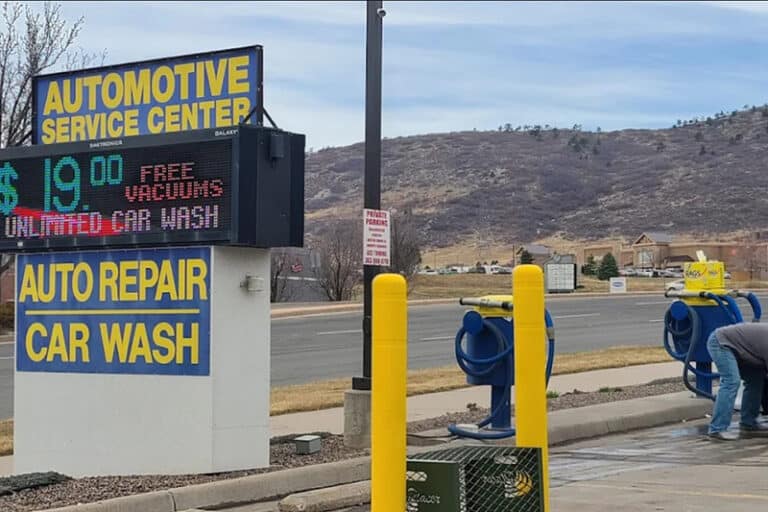
Look for car washes that offer fleet services and monthly unlimited plans. These programs typically pay for themselves after just a couple of washes per month and make it easy to keep your entire fleet consistently clean. Many also include spot-free rinse systems that eliminate water spots, so vehicles look showroom-ready without manual drying.
Interior Maintenance and Organization
A sparkling exterior means nothing if the inside of your vehicles looks like a disaster zone. Customers who ride along, peek through windows, or climb into work vehicles will notice trash, clutter, and stains immediately.
Establish clear expectations for interior maintenance:
- Remove trash and personal items at the end of each shift
- Vacuum floors and seats weekly (many car washes offer free vacuum stations with purchases, take advantage of them)
- Wipe down dashboards, door panels, and steering wheels to remove dust and fingerprints
- Address spills and stains immediately before they set
- Keep work materials organized in designated bins or compartments
For vehicles that transport clients or carry inventory, interior cleanliness is even more critical. Consider scheduling professional interior detailing quarterly to deep-clean upholstery, sanitize surfaces, and eliminate odors.
Protect Your Paint and Exterior Surfaces
Regular washing is essential, but protection takes your fleet’s appearance to the next level. Think of it like skincare, cleansing is step one, but you also need to moisturize and protect against environmental damage.
Here are the key protective measures we recommend for company vehicles:
Wax or sealant applications: A quality wax or paint sealant creates a barrier between your paint and the elements. It repels water, makes washing easier, and adds a glossy finish that looks professional. Many premium car wash packages include spray wax applications that provide decent protection with each visit.
Ceramic coatings: For vehicles you plan to keep long-term, professional ceramic coatings offer superior protection that lasts years rather than weeks. The upfront cost is higher, but the long-term benefits, easier cleaning, better scratch resistance, and maintained shine, often justify the investment for high-visibility fleet vehicles.
Paint protection film (PPF): High-impact areas like front bumpers, hoods, and mirror caps take the brunt of road debris. PPF is a clear, durable film that absorbs impacts and prevents chips and scratches. It’s particularly valuable for vehicles that spend a lot of time on highways.
Undercarriage protection: Don’t forget what’s beneath the vehicle. Road salt, mag chloride, and moisture attack undercarriage components relentlessly. Regular undercarriage washes, especially during winter, help flush away corrosive materials before they cause damage.
Environmentally conscious businesses should look for car washes that use water reclaim systems. The best facilities recycle 100% of their wash water through advanced filtration, using as little as 18 gallons of fresh water per wash compared to the 60-120 gallons a typical home wash consumes. Some even power their operations with solar technology, minimizing environmental impact while delivering quality results.
Address Repairs and Damage Promptly
Here’s a truth that too many fleet managers learn the hard way: small problems become big problems when you ignore them. That minor door ding? It’s an entry point for rust. That cracked windshield? It’s going to spread. That faded bumper? It makes your whole vehicle look older than it is.
Prompt repairs aren’t just about appearance, they’re about economics. A $50 touch-up paint job today prevents a $500 rust repair next year. A $200 windshield replacement now avoids a failed inspection and downtime later.
Create a system for drivers to report damage immediately. This could be as simple as a daily vehicle inspection checklist or a mobile app where team members can photograph and log issues. The goal is catching problems early, before they escalate.
Prioritize these repairs:
- Paint chips and scratches: Touch up minor damage quickly to prevent rust. For larger areas, professional bodywork is worth the investment.
- Dents and dings: Paintless dent repair (PDR) can often fix minor dents affordably without repainting.
- Cracked or chipped glass: Many insurance policies cover windshield repairs with no deductible. Don’t wait for a chip to become a crack.
- Faded or peeling trim: Plastic trim pieces fade over time. Trim restorers or replacement pieces can make an older vehicle look years younger.
- Rust spots: Address surface rust immediately with rust converter and touch-up paint. Once rust penetrates the metal, repairs become exponentially more expensive.
We also recommend budgeting for periodic reconditioning. Even well-maintained vehicles benefit from professional detailing, headlight restoration, and paint correction every year or two. Think of it as a refresh that extends the vehicle’s professional appearance.
Maintain Consistent Branding and Signage
Your fleet vehicles are mobile advertising, and inconsistent branding undermines their marketing value. When one van has crisp, vibrant graphics and another has faded, peeling decals, it sends mixed messages about your company’s standards.
Consistency matters across your entire fleet:
Use quality materials: Cheap vinyl wraps and decals fade, crack, and peel within a year or two. Invest in premium materials with UV protection that maintain their appearance for five years or more. The cost difference is minimal compared to the replacement hassle.
Standardize placement: Every vehicle in your fleet should have logos, contact information, and graphics in the same positions. This creates brand recognition and ensures a professional, cohesive look whether customers see one vehicle or ten.
Inspect signage regularly: Add branding inspection to your maintenance routine. Look for fading, peeling edges, bubbling, and damage. Replace worn signage before it becomes an eyesore.
Plan for updates: When you rebrand or update your logo, budget for fleet-wide signage replacement. A mix of old and new branding looks sloppy and confuses customers.
Consider removable options: Magnetic signs offer flexibility for vehicles that serve multiple purposes or employees who use personal vehicles for work. Just make sure they’re applied to clean, dry surfaces so they don’t trap moisture against the paint.
Remember that vehicle graphics need clean surfaces to look their best. Dirt and grime make even new decals look dingy. This is another reason regular washing is so important, it keeps your mobile advertising looking sharp.
Train Employees on Vehicle Care Standards
You can establish the best fleet maintenance program in the world, but it won’t matter if your team doesn’t follow it. Employee buy-in is essential, and that starts with proper training and clear expectations.
Start by explaining the “why.” When employees understand that vehicle appearance affects customer perception, company reputation, and their own professional image, they’re more likely to take ownership. Nobody wants to show up to a job site in a vehicle that makes them look bad.
Document your standards clearly:
- Daily responsibilities: What should drivers do before and after each shift? This might include removing trash, checking for new damage, and reporting issues.
- Weekly tasks: Who’s responsible for getting vehicles washed? When and where should it happen?
- Prohibited behaviors: Are employees allowed to smoke in vehicles? Eat in them? Store personal items overnight? Make expectations explicit.
- Reporting procedures: How should damage be documented? Who needs to be notified?
Make compliance easy. If you expect vehicles to be washed weekly, provide access to fleet-friendly car washes with unlimited monthly plans. If you want interiors kept clean, equip vehicles with trash bags and basic cleaning supplies. Remove barriers, and compliance improves dramatically.
Consider building vehicle care into performance evaluations. When employees know that how they maintain their assigned vehicle affects their reviews, and potentially their compensation, they pay attention. Some companies even carry out small bonuses or recognition programs for drivers who consistently maintain the cleanest vehicles.
Finally, lead by example. If managers and owners drive filthy vehicles while expecting employees to keep theirs spotless, the hypocrisy won’t go unnoticed. Standards apply to everyone.
Conclusion
Keeping your company vehicles looking professional isn’t complicated, but it does require intention. It’s about building systems, regular cleaning schedules, prompt repairs, consistent branding, and trained employees, that maintain high standards without constant management oversight.
The businesses that get this right enjoy tangible benefits: stronger customer trust, better employee morale, higher resale values, and a competitive edge over companies that let their fleets deteriorate. And in an era where everyone has a smartphone camera and social media account, your vehicles’ appearance can quickly become public perception.
Start with the basics. Establish a weekly washing routine using quality car wash services that protect your paint while saving time. Address damage quickly before it compounds. Keep branding fresh and consistent. Train your team and hold them accountable.
Your fleet is an extension of your brand. Treat it that way, and your vehicles will work as hard for your reputation as the employees driving them.