
If you just drove your new car off the lot in Littleton or Dakota Ridge, you’re probably protective of that factory-fresh paint. We get it. That showroom shine is part of what makes a new vehicle feel special, and the last thing you want is to watch it disappear after a few trips through an automatic car wash.
Here at Rocket Express Car Wash, we hear this question all the time from customers in the 80127 area: “Are brush car washes safe for new vehicles?” It’s a fair concern. Old-school car washes earned a bad reputation for scratching paint, and that worry has stuck around even as the technology has completely changed. The short answer? Modern brush car washes can absolutely be safe for new vehicles, but it depends heavily on the equipment, materials, and maintenance practices of the wash you choose.
Let’s break down how brush car washes actually work, what risks to watch for, and how to keep your new car looking great whether you’re commuting through Morrison or running errands around Littleton.
How Brush Car Washes Work
Automatic brush car washes use rotating brushes or cloth strips that make physical contact with your vehicle’s surface. As your car moves through the tunnel on a conveyor system, these brushes spin and agitate against the paint, loosening dirt, grime, road salt, and other debris. Meanwhile, high-pressure water and cleaning solutions work alongside the brushes to rinse everything away.
The whole process typically takes just a few minutes, which is why express tunnel washes have become so popular in busy areas like Littleton and Dakota Ridge. You drive in, stay in your vehicle, and drive out with a clean car.
Types of Brushes Used in Automatic Washes
Not all brushes are created equal, and this is where the safety question gets interesting.
Traditional Bristle Brushes: These are the old-school offenders. Made from stiff nylon or plastic bristles, they were common in car washes built decades ago. These brushes could trap dirt and drag it across your paint, leaving behind scratches. If you’ve ever heard horror stories about car wash damage, this is usually the culprit.
Cloth Strips (Mitter Curtains): Many modern washes use soft cloth strips that hang down and wipe across your vehicle. They’re gentler than bristles but can still hold onto dirt particles if not properly maintained.
Closed-Cell Foam Brushes: This is the newer generation. Materials like FoamBrite use lightweight, closed-cell polymer that’s virtually waterproof. Because the material doesn’t absorb water, it also doesn’t trap dirt and debris the way older brush types did. This design was specifically developed to eliminate the scratching risk while still providing better cleaning power than touchless washes.
The type of brush material matters a lot, but so does how well the car wash maintains its equipment. Even the best brushes can cause problems if they’re not cleaned and replaced on a proper schedule.
Common Risks of Brush Car Washes for New Paint
Before we talk about how modern washes have solved these problems, it helps to understand what can go wrong. When people worry about brush car washes damaging new vehicles, they’re usually thinking about two specific issues.
Swirl Marks and Micro-Scratches
Swirl marks are those faint circular scratches you can see in direct sunlight. They happen when something drags across your clear coat in a circular motion, which is exactly what a rotating brush does. On a brand-new vehicle with pristine paint, these marks show up more easily because there’s nothing else to hide them.
The culprit isn’t usually the brush material itself. It’s what’s on the brush. If the previous car through the wash was covered in sand or road grit, some of that debris can transfer to the brushes. When those brushes hit your car next, that trapped debris acts like sandpaper.
Trapped Debris and Abrasion
This is the real issue with older brush systems. Traditional bristle brushes and cloth strips can hold onto dirt particles, small rocks, and even bits of debris from previous vehicles. Each car that passes through adds a little more contamination, and eventually the brushes become abrasive.
The problem gets worse in areas with harsh driving conditions. Here in Colorado, we deal with road salt in winter, gravel from mountain roads, and dust from construction. All of that ends up on cars, and all of it can potentially end up on car wash brushes.
This is exactly why brush material and maintenance protocols matter so much. A well-designed system with the right materials can prevent debris accumulation entirely.
How Modern Brush Washes Have Improved
The car wash industry has come a long way from those scratchy bristle brushes of the past. Today’s better facilities use technology and materials that directly address the concerns new car owners have.
At Rocket Express Car Wash, we use Ryko Manufacturing’s FoamBrite Wash System, which represents a completely different approach to brush washing. The FoamBrite material is a patented, closed-cell polymer that’s lightweight and virtually waterproof. Because it doesn’t absorb water, dirt particles can’t accumulate on the brush surface the way they do with traditional materials. You get a thorough clean without the scratching risk.
But the brush material is only part of the equation. Modern systems also include smart safety features:
- Ultrasonic Mapping: This technology recognizes different vehicle types and adjusts the wash process accordingly. Whether you’re driving a compact sedan or a full-size truck, the system knows the difference and produces a safer, higher-quality wash for your specific vehicle.
- AMP Sensing Sensors: These sensors detect when a brush encounters unexpected resistance, like a trailer hitch or roof rack. If the system recognizes a potential snag, it shuts down that brush arm for that wash cycle. This prevents damage to both your vehicle and the equipment.
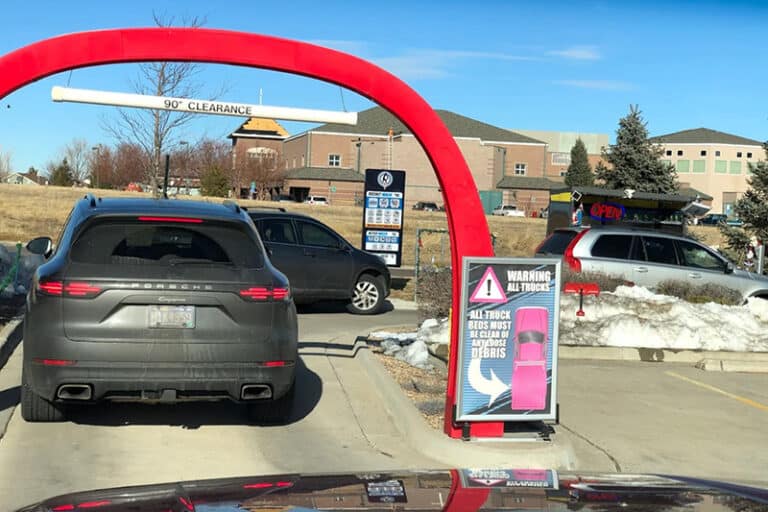
- Top Brush Interrupt: For pickup trucks, the system uses ultrasonic readings to detect the vehicle profile. When it identifies a pickup bed, it prevents the top brush from descending into the bed where it could contact debris or accessories.
These aren’t gimmicks. They’re engineering solutions that address specific failure points in older wash systems. The result is a brush wash that cleans better than touchless options while protecting your paint as well as a careful hand wash.
We also use the PurClean Spot-Free Rinse System, which delivers filtered, 5-micron quality water for the final rinse. This matters because hard water spots can actually damage clear coat over time if left to bake in the Colorado sun. A proper rinse system protects your paint after the cleaning is done.
Comparing Brush Washes to Touchless and Hand Washing
So how do modern brush washes stack up against other options? Let’s look at the alternatives.
Touchless Car Washes
Touchless washes use only high-pressure water and chemicals to clean your car. Nothing physically touches the paint, which sounds ideal for scratch prevention. The tradeoff? They often don’t clean as well. Baked-on bugs, tree sap, bird droppings, and road film can be stubborn, and without any mechanical agitation, touchless washes sometimes leave residue behind.
Touchless systems also tend to use stronger chemicals to compensate for the lack of physical contact. Over time, those harsh chemicals can actually damage wax, sealants, and even clear coat. So while touchless washes won’t scratch your paint, they may not be as gentle as they seem.
Hand Washing
A careful hand wash is often considered the gold standard. You control exactly what touches your paint and how much pressure is applied. But here’s the thing: hand washing done poorly can cause more damage than a quality automatic wash. Using a dirty sponge, washing in direct sunlight, or not rinsing properly can all leave scratches or water spots.
Hand washing also takes significant time, and it’s tough to do well in Colorado winters when outdoor washing isn’t practical.
Modern Brush Washes
A well-maintained brush wash with quality materials offers a middle ground. You get thorough cleaning that removes stubborn contaminants, without the harsh chemicals of touchless systems or the time commitment of hand washing. The key is choosing a facility that invests in proper equipment and maintenance.
For most drivers in the Littleton, Dakota Ridge, and Morrison area, a modern brush wash is the most practical option that still delivers genuine paint protection. You can keep your new car clean throughout the year without dedicating hours to hand washing or worrying about damage.
Tips for Protecting Your New Vehicle at a Car Wash
Even with modern technology, a few smart habits can help you get the best results and keep your new vehicle looking sharp.
Choose Your Car Wash Carefully
Not all car washes are equal. Look for facilities that clearly invest in their equipment and maintenance. Family-owned operations often take more pride in their equipment than high-volume chains that prioritize speed over quality. Ask about the brush materials they use, and if the staff can’t answer, that’s a red flag.
Rinse Before Entering
If your car is heavily soiled with mud, sand, or road debris, a quick pre-rinse helps. Most quality car washes include a pre-soak and rinse stage, but if you’ve been off-roading near Morrison or driving through construction zones, knocking off the heavy stuff first is smart.
Watch for Warning Signs
Take a look at the equipment when you pull in. Do the brushes look worn, frayed, or discolored? Is there visible debris stuck in them? These are signs of poor maintenance. A well-run facility keeps equipment clean and replaces worn components regularly.
Consider a Wash Membership
Frequent washing is actually better for your paint than letting dirt sit. Road grime, bird droppings, and bug splatter can etch into clear coat if left too long. A membership or unlimited wash plan makes it easy to keep your car clean without overthinking it.
Use the Free Vacuums
This doesn’t help your paint, but it does help you get more value from your car wash visit. Many facilities offer free vacuum stations, and keeping your interior clean is just as important as the exterior.
Know the Guarantee
Quality car washes stand behind their work. We offer a 48-hour guarantee: if your car gets dirty within 48 hours of your wash, bring in your receipt and we’ll give you a Bronze Car Wash free. That kind of policy shows confidence in the service.
When to Avoid Brush Car Washes Entirely
While modern brush washes are safe for most new vehicles, there are some situations where you might want to think twice.
Aftermarket Paint or Wraps
If your vehicle has a vinyl wrap, custom paint job, or matte finish, check with the installer before using any automatic wash. Some wraps and specialty finishes require specific care that brush washes may not accommodate.
Loose or Damaged Trim
Got a loose side mirror, peeling trim, or a cracked antenna? Get those fixed first. Brush systems apply pressure that could worsen existing damage. This is more of an older car issue, but it’s worth mentioning.
Heavily Contaminated Vehicles
If your car is caked with mud, tar, or industrial fallout, a brush wash alone might not be the best first step. Heavy contamination should be pre-treated and rinsed before running through any automatic system. Most quality washes handle normal road grime just fine, but extreme cases benefit from extra attention.
Very Recent Paint Work
If you just had body work or touch-up paint done, ask your body shop how long to wait before washing. Fresh paint needs time to fully cure, and you don’t want to risk damaging a new repair.
For the vast majority of new vehicles driven normally around Littleton and the 80127 zip code, these exceptions won’t apply. Your factory paint is designed to be durable, and a quality brush wash won’t compromise it.
Conclusion
So, are brush car washes safe for new vehicles? With modern equipment and proper maintenance, absolutely. The brush washes of today bear little resemblance to the scratchy systems that earned a bad reputation decades ago. Closed-cell foam materials, ultrasonic mapping, smart sensors, and quality rinse systems have transformed what an automatic wash can deliver.
The key is choosing a car wash that actually invests in this technology. Look for facilities that can explain their equipment, maintain their brushes, and stand behind their service with guarantees.
At Rocket Express Car Wash, we’re proud to serve drivers throughout Littleton, Dakota Ridge, Morrison, and the surrounding 80127 area with the safest, most thorough wash experience available. Our FoamBrite system, advanced safety sensors, and spot-free rinse technology are specifically designed to protect your paint while delivering a better clean than touchless alternatives. Plus, we reclaim and recycle 100% of our wash water and power our entire facility with solar technology, so you can feel good about your environmental impact too.
Stop by and see the difference for yourself. Whether you’re driving a brand-new car or just want to keep your current vehicle looking its best, we’re here to help. Our team is always happy to answer questions about our equipment, our process, or anything else you want to know. That’s what being family-owned and operated is all about.