
Living in Colorado means enjoying stunning mountain views, 300 days of sunshine, and some of the most unpredictable weather in the country. But here’s the thing, that same weather can wreak havoc on your car’s exterior if you’re not careful.
From winter’s magnesium chloride-coated roads to summer’s intense UV rays and infamous hail storms, Colorado drivers face a unique set of challenges when it comes to vehicle maintenance. We’ve seen firsthand how quickly the elements can deteriorate paint, cause rust, and leave lasting damage. The good news? With the right approach to car washing and protection, you can keep your vehicle looking sharp no matter what Mother Nature throws your way.
Why Colorado’s Unique Climate Is Tough on Your Car’s Exterior
Colorado’s climate is a bit of an outlier compared to most states. We experience dramatic temperature swings, sometimes 40 degrees or more in a single day, along with low humidity, high altitude, and intense sunlight. This combination creates a perfect storm for exterior damage that many drivers don’t anticipate.
At higher elevations, UV radiation is significantly stronger than at sea level. That means your paint, trim, and rubber seals are constantly bombarded with rays that accelerate fading and deterioration. Add in the dry air that can crack and dry out rubber components, and you’ve got an environment that demands extra attention.
Then there’s the dust. Colorado’s semi-arid climate means dust and dirt particles are always swirling around, settling on your vehicle and grinding into the finish every time you wipe it down incorrectly. And let’s not forget the wildfire smoke that’s become increasingly common during summer months, those fine particulates can coat your car and, if left too long, etch into the clear coat.
The bottom line? Our beautiful state requires a more proactive approach to car care than many other regions. What works for drivers in milder climates simply won’t cut it here.
Seasonal Weather Challenges Every Colorado Driver Faces
Each season in Colorado brings its own set of threats to your vehicle’s exterior. Understanding these challenges helps you stay ahead of the damage.
Winter Road Salt and Magnesium Chloride Damage
Winter is arguably the toughest season for your car in Colorado. CDOT uses magnesium chloride (often called “mag chloride”) as a pre-treatment on roads before storms hit. While it’s effective at preventing ice, this salt compound is incredibly corrosive when left on your vehicle.
Mag chloride doesn’t just sit on your paint, it works its way into every crevice, including your undercarriage, wheel wells, and even electrical wiring. Left unchecked, it causes rust and wiring corrosion that can lead to expensive repairs down the road. We’ve seen vehicles with serious undercarriage damage simply because drivers didn’t wash off the road treatment regularly during winter months.
The tricky part? Mag chloride is sticky and doesn’t rinse off as easily as regular road salt. You need a thorough wash with proper pressure to remove it completely.
Summer Sun, Hail, and UV Exposure
Summer brings relief from the salt, but introduces new challenges. Colorado’s high altitude means UV exposure is roughly 25% more intense than at sea level. This accelerates paint oxidation, fades interiors, and degrades rubber seals and trim pieces.
And then there’s hail. Colorado ranks among the top states for hail damage, with storms that can produce golf ball-sized (or larger) hail in minutes. While you can’t wash away hail damage, keeping your paint properly maintained with regular washing and wax protection can minimize the appearance of minor dings and prevent secondary damage from compromised clear coat.
Summer thunderstorms also deposit minerals and contaminants on your vehicle. When water evaporates quickly in the dry heat, it leaves behind water spots that can etch into unprotected paint.
How Often Should You Wash Your Car in Colorado?
So how often should you be washing your car in Colorado? The honest answer: more often than you probably think.
During winter months, we recommend washing your vehicle every one to two weeks, or immediately after major storms when roads have been heavily treated with mag chloride. This might seem excessive, but it’s the single best way to prevent the corrosion that shortens your vehicle’s lifespan.
In summer, washing every two weeks is generally sufficient for most drivers. But, if you park outdoors, drive on dirt roads, or notice bird droppings or tree sap on your vehicle, don’t wait. These contaminants become harder to remove and more damaging the longer they sit.
One common concern we hear: “Will washing my car in extreme temperatures crack the windshield?” The answer is no. Unless there’s a pre-existing defect in the glass, your windshield won’t crack from going through a car wash on a hot or cold day. Modern car washes use water temperatures that are safe for your vehicle year-round.
For Colorado drivers who want to stay on top of things without the hassle, a monthly unlimited car wash plan often makes the most sense. It pays for itself after just two washes per month and removes the mental barrier of “should I wash it today or wait?” You can simply pull through whenever your car needs attention, which, in Colorado, is pretty often.
Essential Protection Tips to Shield Your Vehicle From the Elements
Beyond regular washing, there are several strategies we recommend to protect your vehicle from Colorado’s demanding climate.
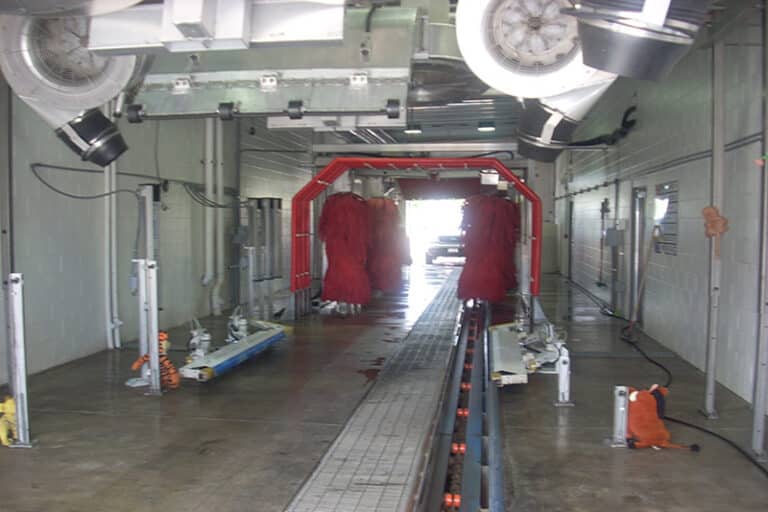
Choose the right car wash. Not all car washes are created equal. Look for facilities that use modern, vehicle-safe technology. For example, advanced systems use ultrasonic mapping to recognize different vehicle types, producing a safer wash customized for your specific car. Foam-based wash materials that are lightweight and closed-cell polymer prevent dirt accumulation on brushes, eliminating the scratching risk associated with older bristle systems while still providing a thorough clean that touchless washes can’t match.
Don’t skip the undercarriage wash. This is especially critical in winter. Mag chloride accumulates underneath your vehicle where you can’t see it, quietly causing corrosion. Make sure your car wash includes undercarriage cleaning, or specifically request it.
Consider water quality. Hard water leaves mineral deposits that can damage paint over time. Quality car washes use spot-free rinse systems that pre-treat water hardness, giving you a clean finish without the spotting. This also matters for environmental reasons, look for facilities that reclaim and recycle their wash water, which dramatically reduces water usage compared to washing at home.
Take advantage of weather guarantees. Colorado weather is unpredictable. You might wash your car and have it rain mud an hour later. Many car washes offer weather guarantees, if your car gets dirty within 48 hours of your wash, you can bring in your receipt for a complimentary re-wash.
Protect your paint between washes. Wax and sealant options offered at higher wash tiers provide an additional barrier against UV rays, road grime, and environmental contaminants. In Colorado’s harsh climate, this extra layer of protection is worth the investment.
Park smart when possible. Covered parking protects against UV damage and hail. If that’s not an option, try to park in shade during summer months and consider a car cover during hail season if you don’t have garage access.
Finally, skip the home wash when you can. Washing your car at home typically uses 60 to 120 gallons of fresh water, while a professional car wash uses around 18 gallons, and recycles most of it. Beyond the environmental benefits, professional equipment removes contaminants more effectively and safely than a bucket and sponge.
Conclusion
Colorado’s climate demands more from drivers when it comes to vehicle care. Between winter’s corrosive mag chloride, summer’s intense UV exposure, and year-round dust and debris, your car’s exterior faces constant challenges.
The good news is that staying ahead of the damage doesn’t have to be complicated. Regular washing, especially during winter, combined with smart protection choices will keep your vehicle looking great and help prevent costly repairs down the road. Make car washing a habit, not an afterthought, and your car will thank you for years to come.